How I Used LLM SEO to Add a New Revenue Channel While Doubling Google Sales
I managed two Shopify stores in the same beauty niche targeting different regions. When I started handling both stores in August 2025, neither store had generated a single penny from ChatGPT. The sites also had heavy duplication, weak structure, thin content, and poorly optimized metadata.
I rebuilt the SEO foundation first, then implemented AEO (Answer Engine Optimization) / LLM SEO strategies designed for ChatGPT SEO, Gemini SEO, and Google answer engines.
Results by 30 Dec 2025:
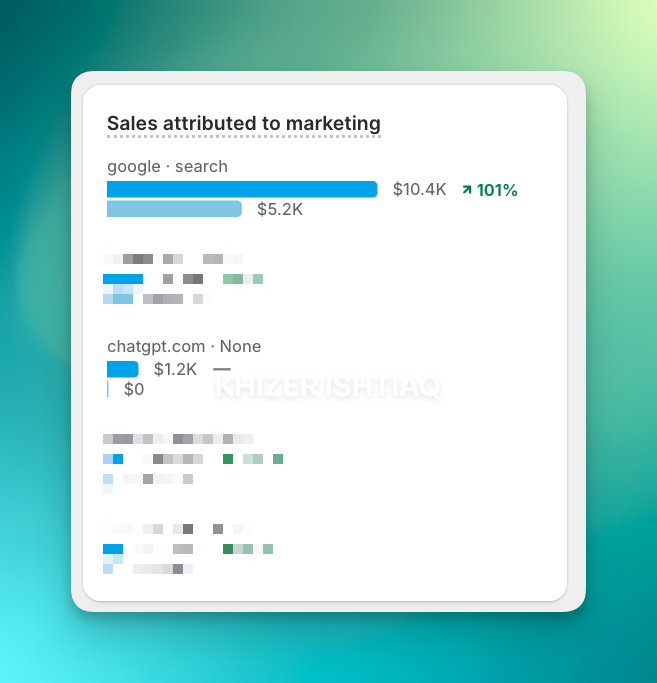
- Store #1 (Google Search-attributed sales): $5.2K → $10.4K (+101%)
- Store #1 (ChatGPT-attributed sales): $0 → $1.2K
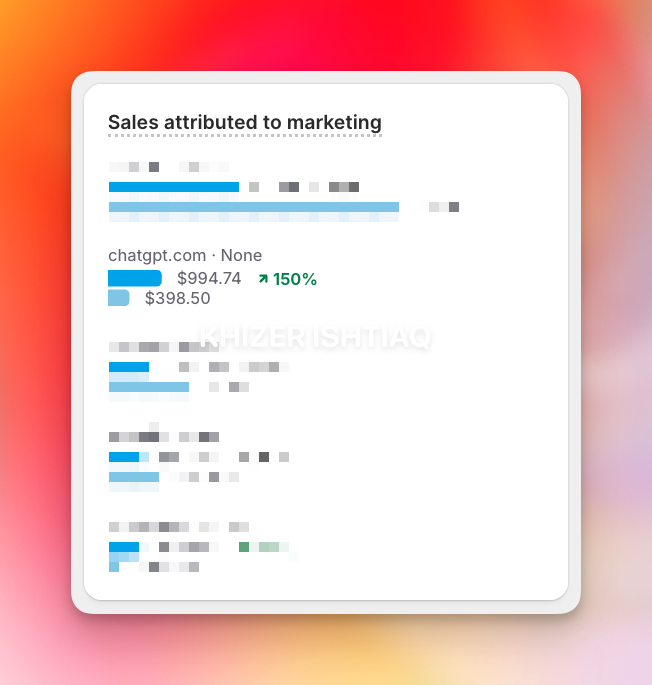
- Store #2 (ChatGPT-attributed sales): first reached $398.50, then grew to $994.74 (+150% from the initial ChatGPT revenue baseline)
The starting point: what was broken
The client came to me with issues that blocked both classic SEO growth and AI answer visibility.
1) Collection duplication and product duplication
- The stores had lots of collection pages duplication
- They had product duplication in every collection
- This created confusion, diluted relevance, and increased cannibalization
2) Site structure wasn’t good
- The structure was too confusing for me itself obviously for customer too
- Important collections were not clearly prioritized
- Internal paths were messy and inconsistent
3) Thin content on money pages
- There was too short content on the collection pages or single product pages
- The pages didn’t explain selection logic, ingredients, routines, compatibility, or comparisons in a structured way
4) Meta titles and descriptions were not properly optimized
- The metas weren’t properly optimized even
- They were surpasing the Google characters limit
- In many cases they were more than 100 characters, which leads to truncation and weaker intent signals
5) Performance ceiling + no LLM visibility
- The stores wasn’t be able to break the 5K milestones consistently
- They wasn’t appearing in any LLM models
- ChatGPT sales “wasn’t even in dream of my client” at the time
Goals
I set two clear goals:
- Fix the foundation so Google can crawl, understand, and rank the correct pages
- Build LLM visibility so the stores can appear inside AI answers (ChatGPT, Gemini, and Google’s answer engine surfaces)
What I exactly did (strategy and execution)
Phase 1: Foundational fixes (SEO basics done properly)
I started by setting the foundational things:
- Cleaned up collection page duplication
- Fixed product duplication across collections by aligning products to the most relevant primary collections
- Simplified the site structure so collections make sense to both shoppers and crawlers
- Improved internal linking and collection hierarchy so the site signals one clear intent per page
This phase removed confusion, reduced cannibalization, and created the structure needed for both SEO and AEO.
Phase 2: Collection pages + product pages rebuilt for LLM SEO (not “tool SEO”)
I did not rely on “fetching the SEO tools and starting writing on it.”
I wrote content based on LLM target based keywords, which means I focused on how AI models interpret topics and generate answers.
I worked on:
- micro or macro entities
- sementically relevant entities
…to make the website appear in LLM SEO, whether it’s ChatGPT SEO, Gemini SEO, or Google search answer engine results.
Entity strategy (how I structured meaning for AI)
Macro entities (high-level topical anchors):
- beauty category + sub-category
- skin concerns and outcomes
- ingredient families and routines
Micro entities (detail that makes answers quotable):
- specific ingredients and benefits
- skin types and suitability rules
- routine steps (AM/PM), frequency, compatibility, and “avoid if” logic
- comparisons between similar products inside a collection
This is the difference between content that “exists” and content that LLMs can extract and trust.
Phase 3: AEO formatting for answer extraction
To support answer engines, I formatted key pages so the content becomes “easy to quote”:
- Direct, short answer blocks near the top of collections
- FAQ sections that match buyer questions and support AI answer selection
- “Best for” and “How to use” sections (high conversion + high extractability)
- Simple comparisons and selection guidance inside collections
This step improved visibility across AI surfaces because the content structure supports summarization.
Phase 4: Metadata cleanup for CTR + relevance
I fixed the core meta issues:
- Reduced bloated titles and descriptions that exceeded limits
- Wrote unique meta titles/descriptions aligned to intent
- Removed repeated patterns that caused page-to-page overlap
Clean metadata improved readability, relevance, and click-through behavior.
The turning point: ChatGPT revenue appeared (and validated the strategy)
When I started in August 2025, neither store had generated a single penny from ChatGPT. There was no AI revenue stream at all, and the stores also struggled with duplication, weak structure, and thin content so “LLM visibility” wasn’t even a realistic expectation at that stage.
Everything changed after I implemented the SEO foundation fixes and added LLM-targeted, entity-led content on Store #1.
Store #1: ChatGPT Revenue Went From $0 to $994.74 (Aug–Dec 2025)
Store #1 created the first proof that my AEO/LLM SEO approach works as a measurable sales channel, not just a “visibility experiment.”
- Before September 2025: $0 from ChatGPT
- September 2025: ChatGPT-attributed sales reached $398.50 (first time ever)
- By December 2025: ChatGPT-attributed sales grew to $994.74
- Growth: $398.50 → $994.74 (+150%) from the first ChatGPT baseline
That first $398.50 in September was the turning point. It built trust in my strategy and confirmed that structured pages + entity-driven content can push ecommerce products into AI discovery paths that actually convert.
Once I saw this working on Store #1, I doubled down on the same framework and applied it to the second store.
Scaling the Same Strategy to Store #2 (Google Growth + ChatGPT Unlock)
After Store #1 validated the process, I implemented the same foundation + AEO/LLM SEO system on Store #2. The second store delivered a dual win: it increased classic organic revenue from Google and also unlocked ChatGPT as a new revenue source.
Store #2 Results: Google Sales Doubled and ChatGPT Became a New Channel
- Google Search attributed sales: $5.2K → $10.4K (+101%)
- ChatGPT attributed sales: $0 → $1.2K
This is where AEO/LLM SEO becomes more than a trend. It becomes an extra source of income for ecommerce—when the SEO foundation is clean and the content is written for both rankings and answer extraction.
Why this worked (simple explanation)
This worked because I built for two systems at the same time:
- Google ranks pages based on crawlability, relevance, structure, and uniqueness
- LLMs select answers based on clarity, entity coverage, and extractable formatting
When I removed duplication, fixed structure, and wrote content using micro and macro entities, the site became easier to understand for both Google and AI models.
What this case study is really about
By writing this long story, it doesn’t mean I’m a super expert or a super man. The main purpose is to learn, implement, and test to be in the Gen AI era.
This isn’t about fearing AI.
This is about playing with AI by understanding how it reads, selects, and summarizes websites—and then building content that converts from that new discovery layer.
Key takeaways (repeatable framework)
- Fix duplication before expecting growth
- Build a clean collection structure that matches user intent
- Write for LLM target based keywords, not only SEO tool keywords
- Use micro + macro entities and semantically relevant entities across collections and products
- Format pages for answer extraction (AEO blocks + FAQs + comparisons)
- Track AI-attributed revenue because it proves business impact